How Art Improves the Lives of Canadians and Cultivates Our Collective Souls While Shaping the National Identity
Art plays a fundamental role in influencing the Canadian experience. It serves as a mirror, capturing the country's rich cultural diversity and historical depth. Indigenous art revitalizes traditions, while street murals bring local stories to life. Music bridges communities separated by great distances, cultivating a common sense of community. Such creative expressions not only enhance personal lives but also craft an intricate tapestry of national identity. The full scope of art's influence on community and national pride warrants deeper investigation.
How Indigenous Art Shapes Canadian Identity
Indigenous art profoundly impacts Canadian identity, as it not only captures the rich cultures and histories of Indigenous peoples but also challenges mainstream narratives. This art form serves as an essential medium through which Indigenous voices convey their experiences, traditions, and worldviews. Each creation, whether it be a painting, sculpture, or textile, encapsulates unique stories that resonate with both Indigenous and non-Indigenous audiences.
In addition, Indigenous art plays a significant role in fostering reconciliation and understanding among multicultural communities. By showcasing the profound heritage and ongoing struggles of Indigenous peoples, it sparks discussion and fosters a richer awareness of Canada's complex history. Public spaces and galleries more frequently highlight Indigenous artists, helping their work engage more diverse audiences. This visibility not only enriches the cultural landscape but also supports the revitalization of Indigenous languages and practices, thereby fostering a more embracing national identity that celebrates all its people.
City Murals and Cultural Plurality in Canada
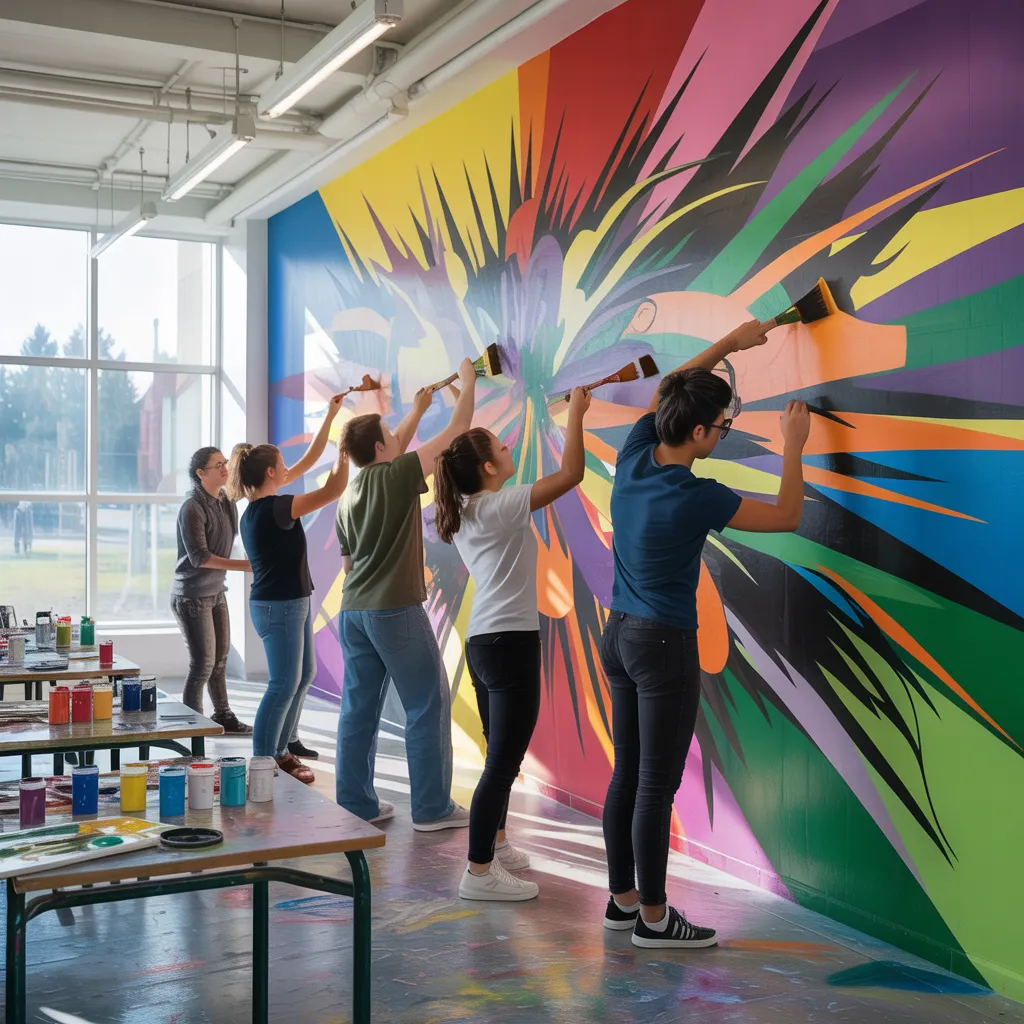
Murals across Canadian cities serve as powerful visual narratives that honor the country's rich cultural diversity. These creative works reshape city environments, changing everyday spaces into dynamic representations of identity and community. By means of this art form, artists convey narratives that capture the diverse experiences of numerous ethnic communities, promoting a greater awareness of Canadian identity.
Exploring Cultural Expressions
All across Canada, dynamic urban artworks serve as powerful canvases that celebrate the country's diverse cultural heritage. These murals, frequently crafted by community artists, capture the narratives, customs, and principles of diverse communities, cultivating a spirit of unity and belonging. They not only beautify urban spaces but also encourage conversation among locals and tourists, encouraging recognition and respect of varied cultural perspectives. Through the visual expression of multicultural themes, these creations strengthen a collective national identity, emphasizing inclusivity. Events such as mural festivals further enhance this connection, uniting communities in the appreciation of artistic creation. At their core, these murals act as testaments of the dynamic tapestry of Canadian society, enriching both personal and collective experiences through art.
Reshaping City Environments
As one discovers the vibrant landscapes of Canadian cities, we cannot help but notice the profound influence of city murals. These vibrant artworks not only enhance communal areas but also capture the multicultural spirit inherent in Canadian society. These artworks act as a platform for underrepresented communities, telling stories of cultural roots, strength, and collective belonging. Artists from various backgrounds work together to produce works that foster dialogue and understanding among citizens. Major urban centers such as Toronto, Montreal, and Vancouver have adopted this artistic movement, transforming surfaces into reflections of collective identity and harmony. As city murals grow in prominence, they contribute to a shared national identity, enriching city life and deepening the appreciation of residents while celebrating the rich tapestry of their interconnected histories.
How Music Shapes Canadian Community Connection
Music threads a fundamental element through the tapestry of Canadian communities, building ties that go beyond boundaries of culture and geography. In cities and towns across the nation, community events and local musicians establish venues for shared experiences, inviting varied communities to connect and participate. Concerts, festivals, and open mic evenings serve as platforms for artistic expression, uniting members of varied communities under the shared language of music.
Additionally, music serves a vital function in safeguarding cultural legacies, allowing First Nations, French, and immigrant groups to share their stories and traditions. By promoting inclusivity and understanding, music fortifies community connections, inspiring communication and bonds across Canadian communities. Local schools and community centers often offer music-based programs that develop abilities and create lasting relationships, further enriching community ties. At its core, the impact of music within Canada not only enriches the lives of individuals but also cultivates a sense of belonging and unity within the broader community.
How Art Ignites National Conversations
Art fuels nationwide dialogue by pushing boundaries and prompting discussions on social, political, and cultural issues. By employing multiple forms of expression, cultural contributors engage with critical subjects such as immigration, climate change, and personal identity, building an arena for open conversation among Canadians. Music, literature, and visual art serve as mirrors capturing varied perspectives and lived experiences, cultivating compassion and insight.
Cultural exhibitions, theatrical performances, and book readings often spark debates, prompting attendees to critically examine the presented narratives. These artistic expressions can mobilize communities, fostering shared activism and meaningful advocacy.
Furthermore, artistic works transcend regional divides, joining people from diverse backgrounds in mutual discourse. This collective participation builds a sense of unity and shared national pride, as Canadians explore their beliefs and hopes through imaginative creations. Ultimately, art acts as a spark for thought and exchange, broadening the public discourse and fostering a more inclusive community.
How Artistic Expression Reflects History and Educates
Artistic expression serves as a crucial chronicle of history, documenting significant events and societal transformations that define the identity of Canada. Through multiple artistic forms, it conveys the stories of culture that illustrate the diverse experiences and insights within the nation. Furthermore, creative expression establishes a foundation for education, fostering comprehension and respect of such historical and cultural settings.
Art As Historical Record
Over the course of history, numerous works of art have acted as irreplaceable glimpses into earlier times, providing insights into the cultural, social, and political landscape. Art captures moments, embodying the essence of specific ages while providing a story that enriches historical records. Paintings, sculptures, and other forms of artistic expression frequently record important events, social transformations, and personal human experiences. For instance, historical paintings can depict wars, revolutions, or everyday life, enabling audiences to understand the feelings and intricacies of review this content those periods. Additionally, art can challenge dominant narratives, presenting contrasting outlooks that broaden our grasp of the past. Through exploring these creative historical documents, one can gain knowledge about the layered aspects of their historical background, cultivating a stronger bond with their cultural identity and shared history.
Artistic Expression of Cultural Stories
Though commonly dismissed, the significance of creative expression in shaping cultural narratives is substantial and far-reaching. Artwork functions as a mirror showcasing societal values, struggles, and triumphs, intertwining the fabric of the past and collective identity. Through multiple disciplines—photography, painting, and sculpture—creators document significant events and feelings, allowing viewers to grasp the depth of their communal heritage. As an example, Indigenous art frequently communicates stories of resilience and connection to the land, while current artistic creations may critique modern societal issues. These cultural productions shed light on the diverse experiences that define Canada, fostering a deeper understanding of its diverse cultural fabric. In the end, art does more than record history as it also nurtures a common cultural thread, enriching the cultural dialogue among Canadians.
Growth Through Artistic Expression
Creative works profoundly elevate learning experiences by providing unique lenses through which history can be understood. Artistic works, including paintings, music, and literature, serve as reflections of cultural values and historical settings, enabling people to connect with historical events more meaningfully. Such expressions not only capture the essence of specific time periods but also provoke critical thinking and emotional responses. For instance, Indigenous art often narrates stories of resilience and cultural identity, fostering awareness and appreciation of diverse perspectives. By embedding artistic works into educational frameworks, pupils acquire knowledge of their cultural identity and communal past. This approach cultivates compassion and awareness, ultimately enriching the educational landscape and reinforcing a shared connection to Canada's multifaceted history.
Fostering National Pride Through Collective Artistic Experiences
Art acts as a powerful medium through which Canadians can connect and forge a sense of national pride, as common artistic encounters encourage a shared sense of identity. Art exhibitions, cultural festivals, and performances connect varied communities, enabling people to honor their heritage while embracing the depth of others. This collective engagement cultivates a stronger bond among Canadians, solidifying the notion that art rises above regional and linguistic divides.
Additionally, national symbols in art—including the renowned landscapes depicted by Canadian painters—evoke a sense of belonging and shared history. Such depictions act as reminders of the nation's distinctive beauty and core values. As Canadians engage with art collectively, they simultaneously engage with their national story, deepening their pride in their cultural identity. At their core, these communal experiences not only enrich individual appreciation of the arts but also contribute to a cohesive national identity, honoring the diverse and complex nature of Canadian culture.
Common Questions and Answers
How Does Art Influence Mental Health in Canadians?
Art greatly affects psychological well-being in Canadians by promoting the expression of emotions, reducing stress, and improving holistic well-being. Exploring diverse art forms encourages meaningful connection and self-reflection, adding positively to individual and communal emotional health results.
In What Ways Do Art Festivals Contribute to Local Economies?
Art festivals significantly enhance local economies by generating tourist activity, driving sales among local businesses, and creating temporary employment opportunities. They foster community engagement and advance cultural exchange, ultimately improving economic prosperity and social harmony throughout the region.
What Are the Best Ways to Enhance Art Education in Canadian Schools?
Art education in Canadian schools can be improved by incorporating a wide range of artistic practices, boosting financial support for educational resources, cultivating meaningful connections with regional artists, and prioritizing cross-curricular methods that link art to other academic areas to strengthen student participation and artistic expression.
What Is the Future of Digital Art in Canada?
The trajectory of digital art in Canada appears promising, with progress in technology encouraging artistic innovation. Improved availability to digital tools and platforms will likely empower new and developing artists, promoting innovation and collaboration within the creative community.
How Can Art Encourage Environmental Awareness Across Canada?
Art promotes ecological consciousness within Canadian communities by creatively portraying environmental challenges, sparking meaningful conversation, and nurturing a sense of responsibility. Through various mediums, it motivates individuals to reflect on their connection to the natural world and advocate for sustainability.